Offshore and Coastal Capability for Offshore Vessel and Subsea Diving Work
BMO provides Offshore Deep-Water and coastal subsea diving services, including Deep-Water Salvage, Underwater Welding, Ship Husbandry, Ship Hull Cleaning, Desalination Intake Construction and Maintenance, Underwater Demolition, Ordnance Removal, and ROV / Drone Operations, Deep Water Surveys, Deep Sea-Bed Profile Scans, Wreck Location.
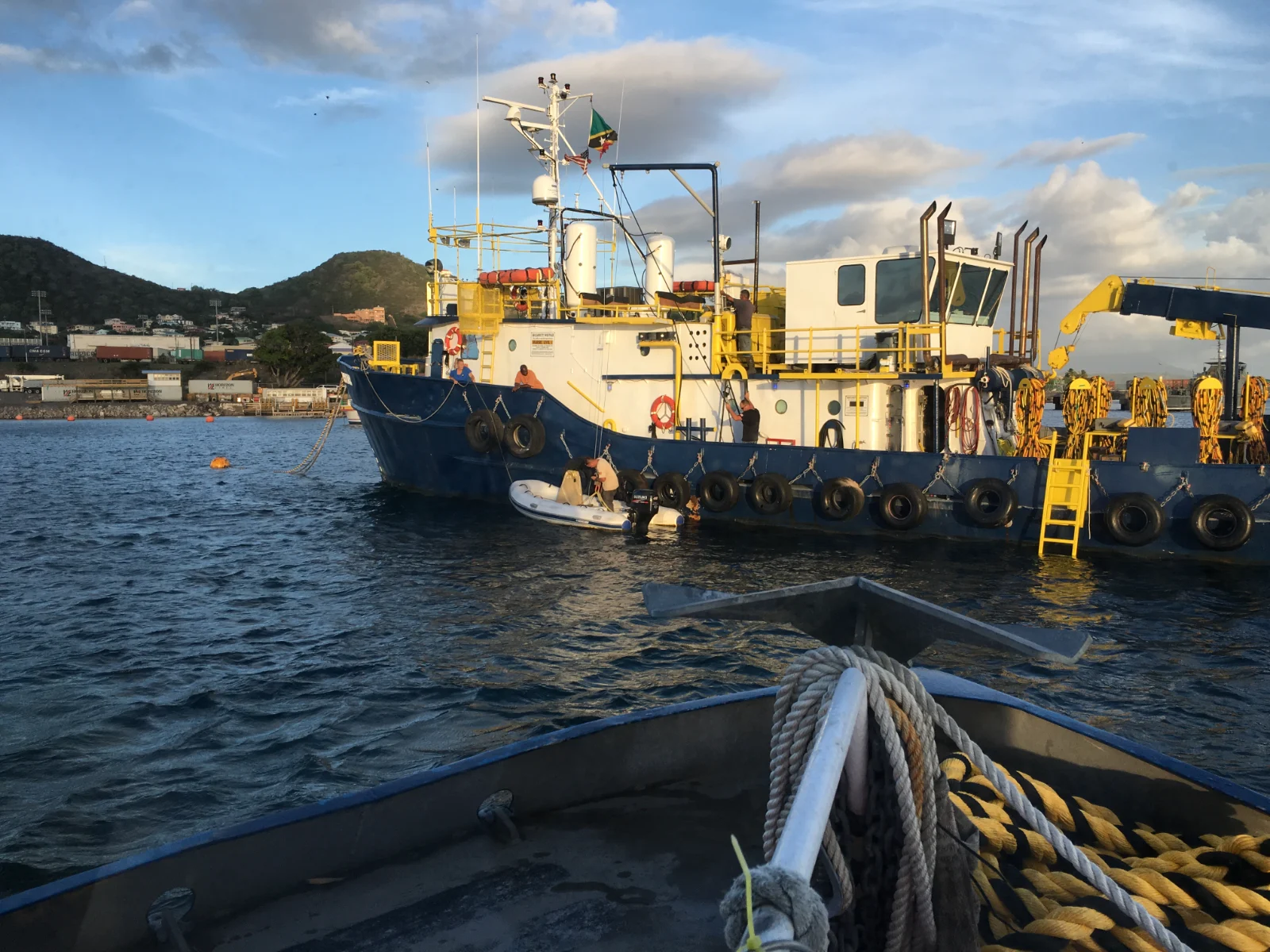
Offshore Deep Water Salvage
BMO Offshore Deep Water Salvage TEAM specializes in the Process of Locating, Securing, and Recovering Sunken Vessels, Aircraft, Cargo, or Equipment from Open Ocean Areas far from the Coast and at Extreme Depths.
Offshore Underwater Welding
BMO specializes in the process of Underwater Welding of joining or repairing Metal structures submerged in Water, combining Commercial Diving with Specialized Welding Techniques.
Offshore / Coastal Ship Husbandry — Hull Cleaning, Wheel Polishing, Sea Chest / Intakes
BMO specializes in underwater care, maintenance, and non-cargo operational support that a vessel receives while in port or in an offshore anchorage area.
Physical Maintenance and Upkeep
Hull and rigging care: Cleaning algae or barnacles off the hull, painting, and general structural upkeep.
Underwater work: Using commercial divers for inspections and cleaning while the ship stays afloat instead of going to dry dock.
Offshore / Coastal Desalination Plant Intake Maintenance
BMO specializes in the Installation and Maintenance of seawater intakes, the initial structural system a desalination plant uses to collect raw water from the ocean for processing. [1, 2]
Main Types of Intakes
Desalination facilities typically use two primary methods to gather water:
Open Seawater Intakes: Pipes or tunnels that extend hundreds of meters offshore into the open ocean to draw surface water.
Subsurface Intakes (Beach Wells): Wells dug into the sand along the coastline that draw seawater naturally filtered through the seabed. This method provides cleaner water with less sand and fewer microorganisms.
Offshore / Coastal Underwater Demolition / Explosive Work
BMO specializes in the process of Underwater Demolition, the intentional destruction or removal of natural or man-made obstacles beneath the water using explosives or mechanical tools. [1]
Core Meaning & Uses
Definition: Breaking apart rocks, coral reefs, sunken ships, or military barriers hidden underwater.
Civilian Uses: Clearing shipping channels, removing dangerous wrecks, and construction work in harbors.
Offshore / Coastal Deepwater Ordnance Removal / Cleanup / Hazmat
BMO specializes in the process of Underwater ordnance removal: locating, identifying, and safely neutralizing or clearing unexploded bombs, mines, and other military explosives from oceans, rivers, and lakes. [1, 2, 3]
BMO Goal: Protect human life, allow safe marine navigation, and clear areas for offshore projects.
BMO Process: Handled by specialized Explosive Ordnance Disposal (EOD) BMO EOD DIVER TEAM or underwater robots (Remotely Operated Vehicles or ROVs).
BMO Disposal Methods:
Blow-in-Place (BIP): Detonating the explosive directly underwater.
Deflagration: A lower-impact "low-order" burning method.
Physical Removal
Offshore Deepwater / Coastal Remote Operated Vehicles (ROV) / Underwater Drones
BMO specializes in the use of ROVs (Remotely Operated Vehicles), unoccupied, highly maneuverable underwater robots controlled in real time by a human pilot from a DSV surface ship or platform.
BMO ROVs connect to a surface control station via a physical tether or umbilical cable that supplies continuous power, real-time video feedback, and command signals.
Subsea Inspection: Monitoring oil and gas pipelines, structural welds, and offshore wind farm installations using high-definition cameras.
Maintenance & Intervention: Performing delicate manipulation tasks, valve operations, and component replacements via robotic arms.
Salvage & Recovery: Locating lost equipment, conducting deep-sea search and rescue, and assisting with marine salvage.
Surveying: Mapping the seabed and detecting unexploded ordnance (UXO) in high-risk or deep-water areas.
Send "Vessel Details" and "Scope of Work" requested:
Include Vessel Name, last known location, timing requested, required service, payment responsibility, and any documentation needs.
Contact Management